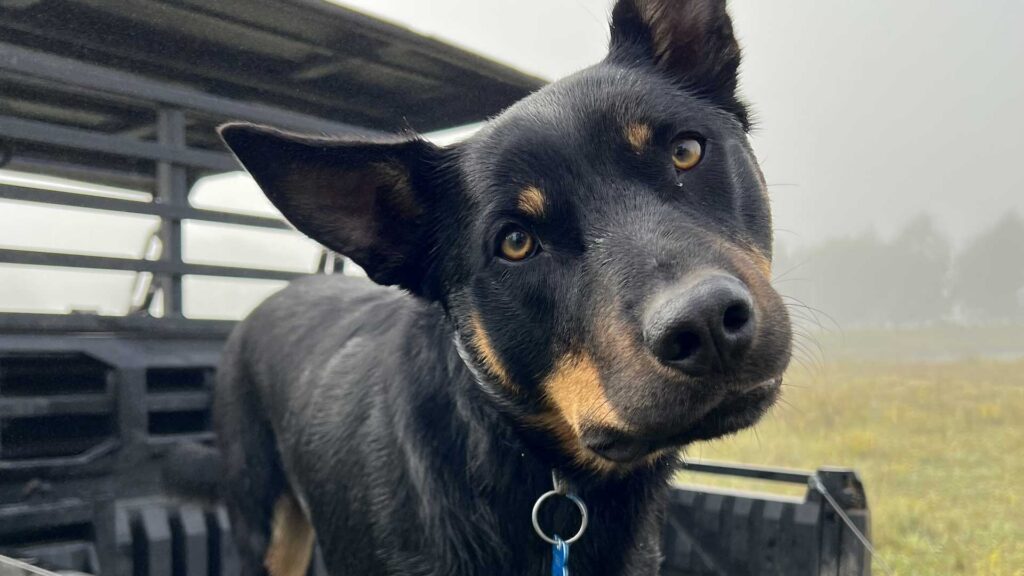
Across rural Australia, dogs are more than pets—they are partners in work, anchors of community, and a source of comfort during life’s toughest seasons. At the heart of this bond stands the Australian Kelpie, a breed renowned worldwide for its skill, stamina, and loyalty.
The Traits That Set Kelpies Apart
Kelpies are considered among the best working dogs on earth, thanks to a unique blend of physical and behavioural traits honed over generations. With a natural herding instinct, they can gather, move, and control sheep or cattle with minimal training. Their endurance and agility are legendary; a good kelpie can cover up to 60 kilometres in a single day, working tirelessly over rugged terrain, leaping fences, and weaving through mobs of livestock.
But it is not just stamina that makes them stand out. Kelpies are highly intelligent and trainable, quick to learn whistle commands and hand signals while adapting to different stock behaviours. They also possess an uncommon degree of independence—able to problem-solve in the field when stock scatter, without waiting for constant instruction. Above all, their strong bond with handlers cements them as invaluable partners: loyal, eager to please, and deeply connected to the rhythm of farm life.
Communities That Nurture Working Dogs
The significance of working dogs extends beyond the farm gate. Rural communities actively support their care, training, and recognition. Sheepdog trials and competitions remain popular, not only as sport but as a way to preserve traditional skills and celebrate excellence. The Australian Working Dog Championships draw crowds of handlers and spectators alike, reinforcing the cultural importance of these animals.
Breeding programs and auctions also play a key role. At the Casterton Working Dog Auction, trained kelpies have fetched prices of over $40,000, underscoring their economic and practical value. Many country vets and trainers specialise in working dogs, offering tailored care for their unique needs, while older farmers often mentor younger handlers, ensuring knowledge is passed through generations. And when hardship strikes—whether drought, flood, or fire—community support networks rally to ensure working dogs are fed, housed, and cared for alongside their human counterparts.
More Than Workers: Companions Through Hardship
While kelpies may be prized for their skill, farm dogs of all kinds play an equally vital role in the emotional wellbeing of rural families. On properties where the nearest neighbour may be kilometres away, a dog’s companionship eases isolation and loneliness. Daily routines—feeding, exercising, and working with dogs—provide structure and purpose when other aspects of farming feel uncertain.
Pets also bring comfort during difficult times. Farmers often describe their dogs as “mates,” whose loyalty and presence reduce stress and offer moments of calm. For children, the bond with farm animals builds empathy and resilience, helping them navigate challenges like droughts or livestock losses. Dogs themselves, resilient in the face of dust, heat, and long days, often serve as a symbol of hope, reminding families of endurance and loyalty when times are tough.
The Heartbeat of Rural Life
From their unmatched work ethic to their quiet companionship, kelpies and farm pets embody the intertwined nature of life on the land. They are workers, protectors, teachers, and friends—woven into the story of rural Australia as much as the red soil, the wide paddocks, and the people who call them home.