In 2025, Australia’s wheat industry will find itself at a crossroads. While the country has long been known for producing some of the highest-quality wheat globally, recent shifts in international demand—particularly from China—are posing new challenges for farmers and exporters alike.
A Sharp Decline in Chinese Demand
China has historically been one of Australia’s most important wheat buyers. However, between October 2024 and March 2025, Australian wheat exports to China dropped dramatically—down to just 546,000 metric tonnes, compared to 2.9 million tonnes during the same period in the previous season and 4.4 million tonnes the year before that.
Several factors are contributing to this steep decline. China has increasingly turned to cheaper Russian wheat, with Russian exporters continuing to flood the market—even outside their traditional export window. This increased competition has left Australian producers struggling to find new homes for their bumper wheat crops.
A Growing Surplus
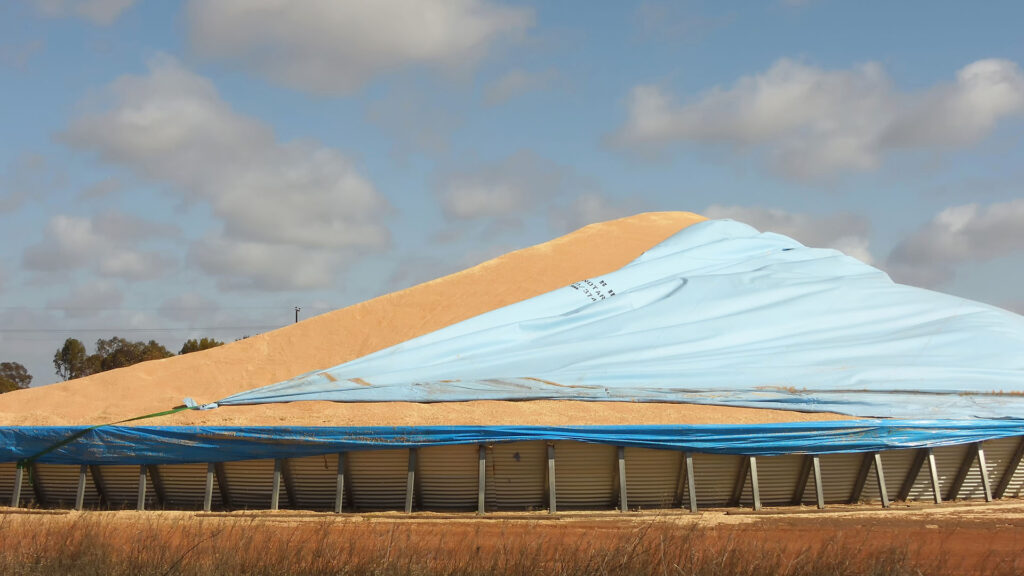
With fewer international takers and three consecutive strong harvests, Australia now finds itself with a significant wheat surplus. Estimates suggest the country will carry over between 5 to 8 million tonnes of unsold wheat into the next season. That’s more than double the five-year average of 3.3 million tonnes.
This glut has already started to weigh on prices. Analysts expect wheat prices could fall to around A$300 per tonne, down from recent highs of A$325–A$350. For many growers, especially those in high-cost regions or operating on tight margins, this could translate into real financial strain.
Economic Implications for Farmers
The wheat surplus isn’t just a storage problem—it’s a cash flow crisis in the making for some producers. Many Australian wheat farmers rely on timely sales to meet financial obligations, invest in the next planting season, and maintain their equipment and infrastructure. With prices falling and unsold stock mounting, the outlook is uncertain.
Some growers are already considering alternative crop rotations, diversifying into pulses or barley, or reducing wheat acreage for the next season to mitigate risk.
Searching for New Markets
Industry leaders are now urging a strategic pivot in trade relationships. While China has been a dominant buyer, there is growing emphasis on expanding exports to Southeast Asia, the Middle East, and parts of Africa—regions with rising food demand and less direct competition from Russian supply.
The government and exporters are also working to strengthen trade ties through regional partnerships and free trade agreements, aiming to stabilise and diversify Australia’s agricultural exports in the long run.
Storage and Logistics Pressures
The sheer volume of unsold wheat is putting pressure on Australia’s grain storage and transportation systems. With the next harvest cycle just months away, storage space is running low in key grain-growing regions like Western Australia, South Australia, and New South Wales.
To prevent waste and ease the logistical bottleneck, grain handlers are considering leasing additional storage, expanding bunkers, and prioritising rail freight to move existing stock to ports and domestic processors.
Outlook: Resilience Through Adaptation
Australia’s wheat farmers have long shown resilience in the face of droughts, floods, and market shifts. While the current wheat surplus and declining Chinese demand present a significant challenge, they also serve as a turning point—an opportunity to adapt, diversify, and build a more resilient, market-savvy grain industry.
Whether through new trade routes, value-added processing, or a shift in crop strategy, Australia’s wheat sector will need to evolve quickly to stay competitive on the global stage.